Recovering from an injury is (should be) more than just rest—it’s about restoring mobility, function, and rebuilding strength to prevent future setbacks or recurrence of the same injury. While many people associate physical therapy with passive treatments like stretching or manual therapy, strength training is a crucial component of a full recovery.
At Whole Strength in Charlottesville, we believe that progressive strength training plays a vital role in rehabilitation in many cases. Whether you're healing from a sports injury, surgery, or chronic pain, targeted strength exercises can help regain the muscle function, rebuild strength, stability, and confidence—allowing you to return to daily activities stronger than before.
READ: Q&A With a Jiu-Jitsu Black Belt and Gym Owner: Physical Challenges, Injury Trends and Prevention.
In this guide, we’ll explore how strength training supports injury recovery, the best techniques used in physical therapy, and when to safely start incorporating resistance exercises into your rehab program.
Why Strength Training is Essential for Recovery
Strength training isn’t just for athletes—it’s a critical tool for recovering from injuries and preventing future ones. After an injury, your muscles can weaken, joints become less stable or lose mobility, and movement patterns can shift in ways that put added strain on the body. Without proper rehabilitation, these changes can lead to re-injury or chronic pain.
Incorporating strength training into your recovery helps by:
- Rebuilding Muscle & Restoring Function – Strength exercises help regain lost muscle mass and improve movement efficiency.
- Improving Joint Stability & Resilience – Strengthening supporting muscles around joints reduces stress on injured areas.
- Preventing Future Injuries – Properly structured training corrects imbalances and weaknesses, reducing the risk of re-injury.
By gradually introducing targeted strength exercises during your physical therapy, we ensure that you have a safe, controlled recovery process that helps you regain confidence and long-term function.
How Strength Training Supports Different Stages of Healing
Strength training in physical therapy isn’t a one-size-fits-all approach—it evolves based on the stage of recovery. At Whole Strength, we are experts in structuring your rehabilitation ensure a safe, progressive strength building at every phase tailored directly to YOU!
- Early-Stage Recovery: Focuses on gentle, controlled and isolated movements to prevent muscle loss, improve muscle activation and maintain mobility without stressing the injury. Examples include isometric exercises (holding a position without movement) and light resistance work while monitoring any pain during and after exercise.
- Mid-Stage Recovery: Introduces progressive resistance exercises to build strength and endurance. You may begin using incorporating bodyweight movement patterns that were once painful and then adding weights to further challenge you as able.
- Late-Stage Recovery: Shifts to functional strength training, mimicking real-life movements to ensure a smooth return to daily activities or sports. This includes increasing weight, plyometrics, agility drills, dynamic balance and sport-specific exercises to prevent re-injury and rebuild your confidence.
By progressing strength work at the right pace, you can heal efficiently while reducing the risk of setbacks as we guide you back to 100%.
Key Strength Training Techniques Used at Whole Strength
At Whole Strength in Charlottesville, we integrate strength training into rehabilitation with evidence-based techniques tailored to your needs. Some of the key methods we use include:
- Bodyweight Exercises – Gentle movements like bridges, squats, and step-ups help restore strength while maintaining control over movement.
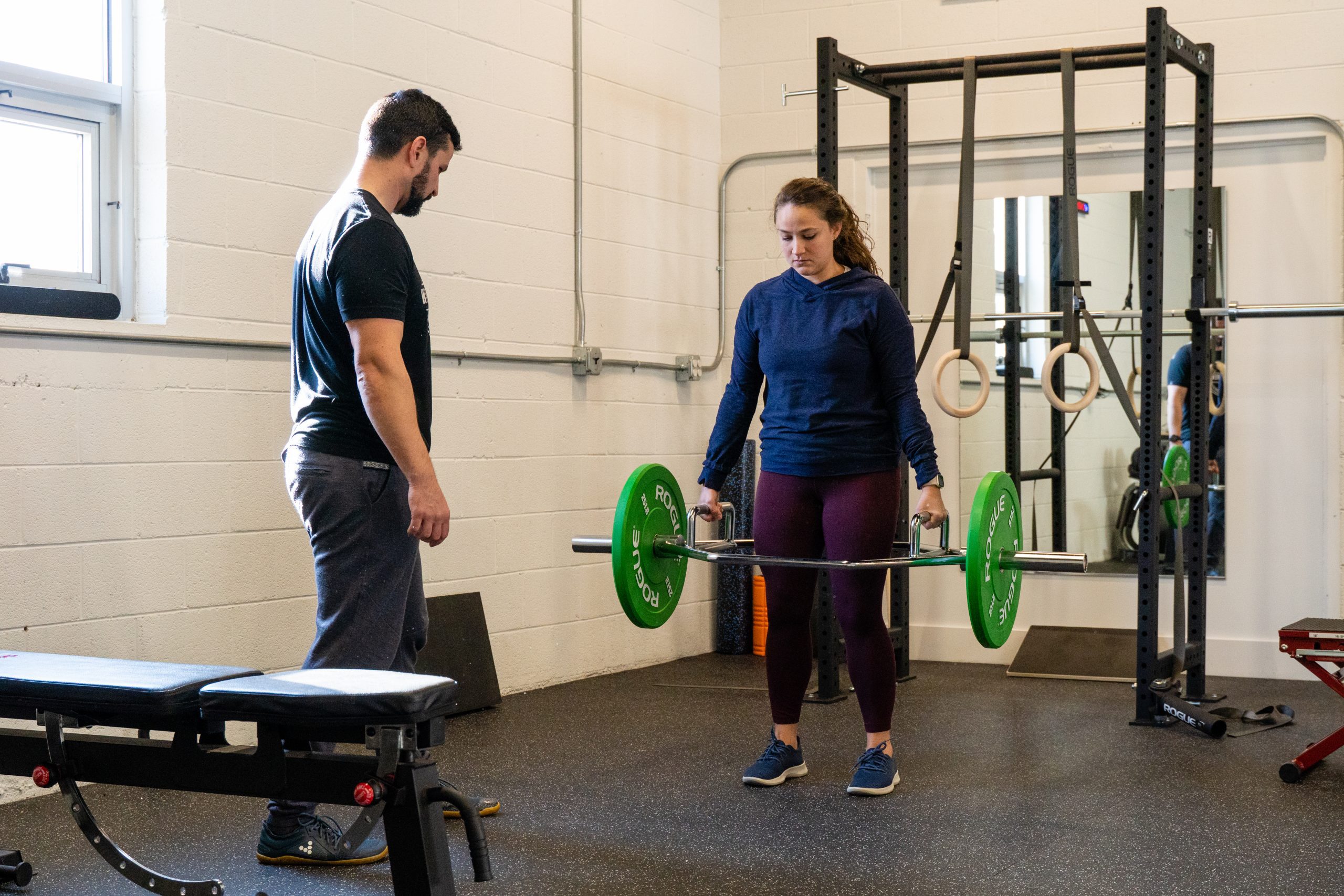
- Resistance Training – Using a variety of tools like dumbbells, cables, machines and barbells, we help you gradually increase your strength without overloading healing tissues.
- Balance & Stability Work – Exercises like dynamic single-leg balance drills improve coordination and joint control, reducing the risk of re-injury.
- Functional Movement Training – Mimicking everyday activities (e.g., step ups for stair climbing/hiking, deadlifts for lifting objects) ensures a smooth return to normal function without compensation that we typically see persist even after injuries heal.
Each program is customized based on your injury, fitness level, and goals, helping you recover efficiently and regain confidence your movement.
When to Start Strength Training in Physical Therapy
Many people recovering from injuries worry about starting strength training too soon—but the right timing and progression make all the difference. Strength work should begin when:
- Pain and swelling are under control – Engaging in exercises too early may aggravate the injury without proper guidance.
- A physical therapist clears you for strength work – A guided approach ensures safe progression without over stressing healing tissues.
We believe in helping people maintain as much fitness as possible through injuries as we all know the saying "you don't use it you lose it" happens fast! Many times we can modify exercises in your workouts to be able to work around pain, allowing you to continue training even in the presence of injury. Once we assess the injury and your movement we can help you come up with a plan to continue to stay as active as possible through the healing process.
At Whole Strength, we help patients transition from passive recovery to active rehabilitation with carefully structured programs. By introducing strength training at the right stage, we ensure a safe, effective recovery that restores function while preventing re-injury.
READ: Embracing Strength-Based Physical Therapy in Charlottesville
Strength training is a key component of injury recovery, helping patients regain muscle strength, joint stability, and movement confidence. By incorporating progressive resistance exercises at the right stages, physical therapy ensures a safe and effective return to daily activities, sports, or work.
At Whole Strength in Charlottesville, we create personalized strength-based rehabilitation plans to help patients heal efficiently and prevent future injuries. Whether you're recovering from a sports injury, surgery, or chronic pain, our team is here to guide you every step of the way.
Ready to take the next step in your recovery? Schedule an appointment with Whole Strength today and start rebuilding strength with expert guidance.