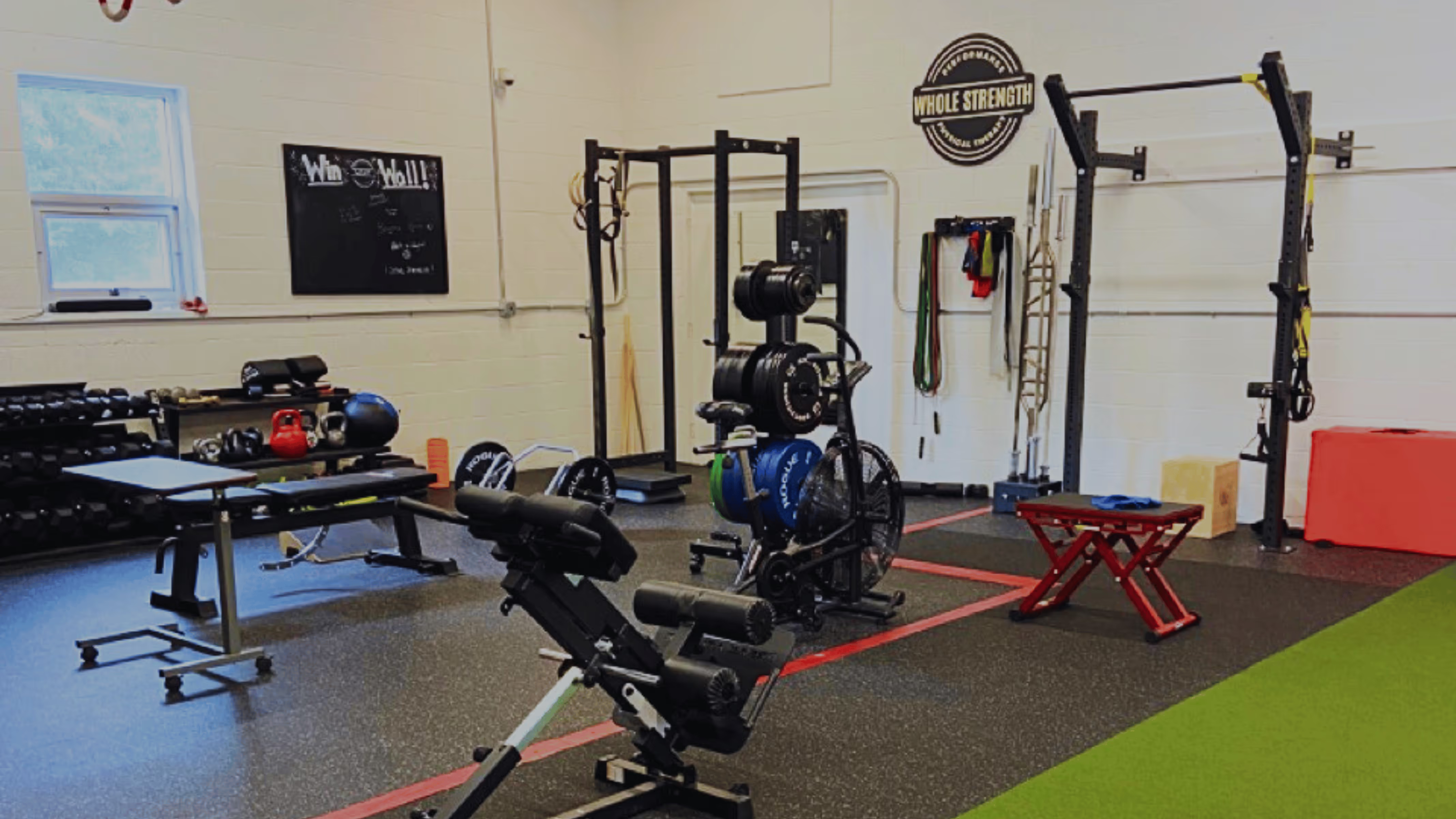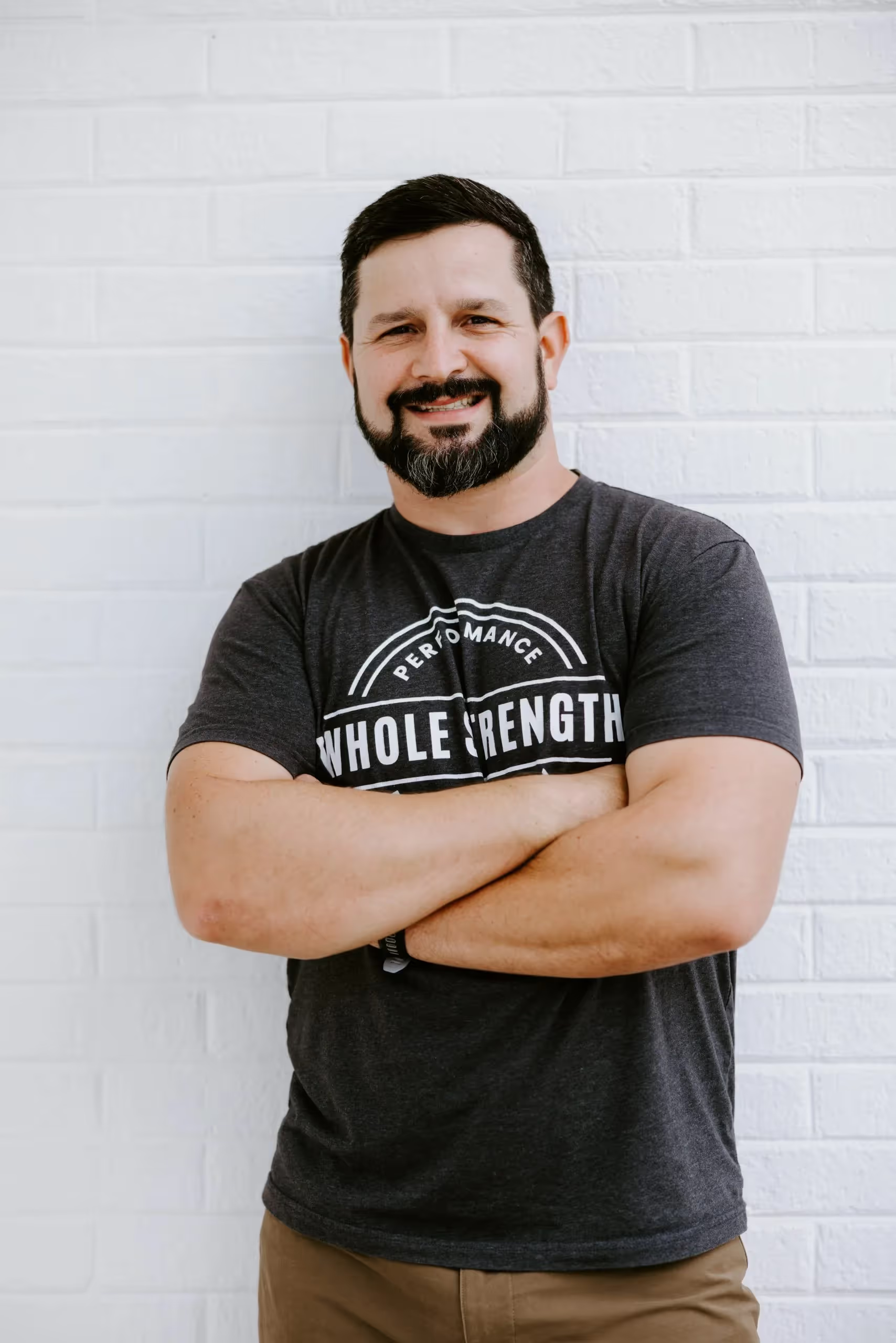
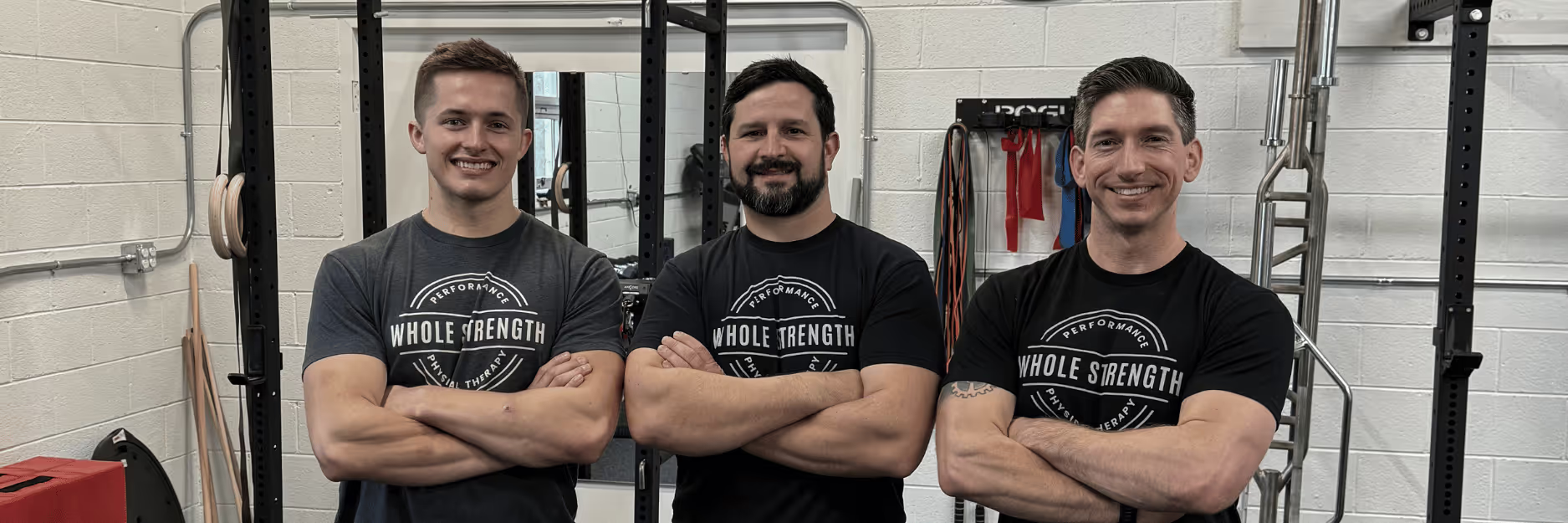
In the evolving landscape of physical therapy, there's a significant shift towards approaches that not only address pain but also enhance overall physical performance. Leading this movement in Charlottesville is Whole Strength Physical Therapy, a clinic dedicated to empowering individuals to regain and elevate their physical capabilities through strength-based rehabilitation.
The Limitations of Traditional Physical Therapy Approaches
Traditional physical therapy often emphasizes passive treatments and focuses primarily on symptom management. While this can provide temporary relief, it may not address the underlying causes of dysfunction, leading to:
- Incomplete Recovery: Without targeting the root causes, patients may experience recurring issues.
- Limited Functional Improvement: Standard protocols might not fully restore the strength and mobility required for specific activities or sports.
- Increased Risk of Re-injury: Failing to build resilience can leave individuals susceptible to future injuries.
This approach often results in patients returning to their activities without the necessary strength or mobility, increasing the likelihood of re-injury.
Whole Strength’s Comprehensive Assessment Process
At Whole Strength Physical Therapy, the journey begins with a thorough assessment to identify the root causes of pain and dysfunction. This comprehensive evaluation includes:
- Detailed Evaluations: Assessing movement patterns, strength, and flexibility to pinpoint specific areas of concern.
- Advanced Diagnostic Tools: Utilizing state-of-the-art equipment to gain deeper insights into musculoskeletal issues.
- Personalized Goal Setting: Collaborating with patients to establish clear, achievable objectives tailored to their individual aspirations.
From our blog:
How Physical Therapy Can Help You To Resolve Your Rotator Cuff/Shoulder Pain
ACL Rehab at Whole Strength Phaysical Therapy
Blood Flow Restriction: Reduce Pain and Improve Your Outcomes
How Performance Testing Can Help Fill the Holes in Your Fitness
How Physical Therapy Can Help Fix Your Knee Pain When Squatting/Running/Lifting
Is A Lack of Shoulder Mobility Holding Back Your Performance in Crossfit?
This meticulous assessment ensures that each patient receives a customized treatment plan designed to address their unique needs and goals.
By focusing on these foundational steps, Whole Strength Physical Therapy sets the stage for effective, personalized rehabilitation that not only alleviates pain but also enhances overall performance and prevents future injuries.
Integrating Strength Training into Rehabilitation
Strength training has long been associated with athletic performance and bodybuilding. However, at Whole Strength Physical Therapy, it plays a crucial role in rehabilitation. Injuries often occur due to weaknesses or imbalances in the body, and simply resting or performing basic physical therapy exercises may not be enough to build resilience. That’s why progressive strength training is integrated into the rehabilitation process, helping individuals recover while also fortifying their bodies against future injuries.
When strength training is applied correctly, it enhances muscle function, allowing for greater joint stability, improved movement mechanics, and increased capacity for daily activities or sports performance.
Many individuals assume that strength training is only for advanced athletes, but at Whole Strength, these principles are adapted to every level—from individuals recovering from surgery to weekend warriors and competitive athletes looking to regain their edge.
One of the biggest advantages of incorporating strength into rehab is its ability to correct movement dysfunctions. Many injuries are not caused by a single traumatic event but by years of improper movement patterns, muscle imbalances, and inefficient force distribution. By rebuilding strength in key muscle groups and reinforcing proper movement mechanics, patients don’t just recover --they return stronger and more equipped to handle the physical demands of their lifestyle.
For instance, a runner with persistent knee pain may discover that weak hip stabilizers and poor ankle mobility are the root cause of the issue. Instead of simply treating the knee pain with passive therapy, Whole Strength’s approach would include targeted hip strengthening exercises, controlled movement drills, and progressive resistance training to restore stability and function. The result is not just temporary pain relief, but long-term injury prevention and improved performance.
The beauty of strength-based rehabilitation is its scalability. Every individual receives a customized progression, ensuring that exercises are challenging but safe. Whether it’s using resistance bands for controlled muscle activation, incorporating free weights to enhance joint stability, or performing functional bodyweight movements, the goal is to restore strength efficiently while maintaining proper mechanics. Over time, these exercises evolve to match the increasing demands of each individual’s daily activities or sports performance, setting them up for long-term success.
Enhancing Mobility and Flexibility for Optimal Function
While strength is essential, it must be balanced with mobility and flexibility to allow for smooth, pain-free movement. Stiffness and restricted mobility can lead to compensatory movement patterns, which increase the risk of strain, overuse injuries, and poor performance. At Whole Strength Physical Therapy, mobility work is not an afterthought—it is an integral part of rehabilitation and performance training.
Mobility refers to the ability of a joint to move through its full range of motion with control, while flexibility relates to the length of muscles and connective tissues. Many people mistakenly assume that stretching alone is enough to improve mobility, but true mobility requires a combination of active movement drills, muscle activation techniques, and strength work to reinforce proper joint positioning.
For example, an athlete struggling with tight hips and lower back discomfort may need more than just stretching to address the issue. If weak core muscles and poor glute activation are present, simply stretching the hip flexors won’t resolve the underlying dysfunction. Instead, Whole Strength’s approach would involve a mix of mobility drills to open the hips, active stretching techniques to reinforce proper movement patterns, and strength work to stabilize the pelvis and lower back. This comprehensive strategy ensures long-term improvements rather than temporary relief.
Incorporating mobility training into rehab also helps restore functional movement, making everyday tasks easier and reducing pain during activities like walking, squatting, lifting, or running. Patients often find that once their joints are moving freely and their muscles are properly engaged, they experience immediate relief from chronic stiffness or discomfort.
Beyond rehabilitation, mobility work is a key factor in enhancing athletic performance. When an individual has full control over their range of motion, they can generate more power, move more efficiently, and reduce unnecessary strain on joints and tissues. That’s why Whole Strength integrates joint mobilizations, dynamic stretching, and movement-specific flexibility work into each rehab plan, ensuring that every patient regains both strength and freedom of movement.
By prioritizing both mobility and strength, Whole Strength Physical Therapy ensures that patients recover fully, move better, and prevent future injuries—allowing them to return to their favorite activities stronger than before.
Functional Movement Training: Preparing for Real-Life Activities
At Whole Strength Physical Therapy, the focus extends beyond traditional rehabilitation to encompass functional movement training, a method that emphasizes exercises simulating real-life activities. This approach ensures that patients not only recover from injuries but also regain the ability to perform daily tasks and engage in physical pursuits with confidence and efficiency.
Functional movement training involves assessing and enhancing the body's ability to move in natural, coordinated patterns. Unlike isolated exercises that target specific muscles, functional training incorporates movements that engage multiple muscle groups simultaneously, reflecting the complex motions encountered in everyday life and sports.
For instance, a patient recovering from a shoulder injury might engage in exercises that mimic reaching overhead to place an item on a shelf, thereby strengthening the shoulder in a practical context. Similarly, someone aiming to improve their balance and coordination might perform exercises that replicate walking on uneven terrain, preparing them for outdoor activities.
By focusing on these functional movements, Whole Strength Physical Therapy helps patients develop strength, flexibility, and coordination in ways that directly translate to improved performance in daily activities and athletic endeavors. This comprehensive approach not only addresses the immediate concerns of injury rehabilitation but also equips individuals with the skills and confidence to prevent future injuries and maintain an active lifestyle.
Incorporating functional movement training into rehabilitation programs ensures that therapy is not just about healing but also about empowering patients to move better and live more fully. This philosophy aligns with Whole Strength's commitment to personalized, performance-based care that addresses the unique needs and goals of each individual.
Advanced Therapies and Technologies at Whole Strength Physical Therapy
In the evolving field of physical therapy, integrating advanced therapies and technologies is essential for enhancing patient outcomes. At Whole Strength Physical Therapy, a variety of innovative techniques are employed to accelerate recovery and improve performance.
Dry Needling is utilized to alleviate muscle tension and promote healing. This technique involves inserting fine needles into trigger points to release tightness and improve blood flow, aiding in pain reduction and functional restoration.
Blood Flow Restriction (BFR) Therapy is another advanced method used at the clinic. BFR involves applying a specialized cuff to restrict blood flow partially during low-intensity exercise, which can enhance muscle strength and hypertrophy more effectively than traditional training alone.
These therapies, among others, are part of Whole Strength's commitment to incorporating progressive technology into their treatment plans, ensuring that patients receive the most effective and up-to-date care available.
Education and Empowerment: Building Long-Term Resilience
At Whole Strength Physical Therapy, the journey to optimal health extends beyond the treatment room. A core component of their philosophy is patient education and empowerment, ensuring individuals are equipped with the knowledge and tools necessary for sustained well-being.
Understanding the intricacies of one's own body is pivotal in preventing future injuries and maintaining peak performance. Whole Strength emphasizes educating patients about their specific conditions, the underlying causes, and the rationale behind each therapeutic intervention. This comprehensive understanding fosters a proactive approach to health, enabling patients to recognize early signs of potential issues and address them promptly.
Moreover, Whole Strength provides personalized home exercise programs tailored to each individual's needs and goals. These programs are designed to reinforce the progress made during therapy sessions and promote continuous improvement. By adhering to these customized regimens, patients can maintain and even enhance their physical capabilities independently.
The emphasis on education and self-management instills confidence in patients, empowering them to take charge of their health journey. This proactive stance not only aids in recovery but also builds resilience, reducing the likelihood of future injuries and promoting long-term wellness.
Community Engagement and Support
Whole Strength Physical Therapy recognizes the importance of community in fostering a holistic healing environment. Their commitment to community engagement and support is evident through various initiatives aimed at promoting health and wellness within Charlottesville and its surrounding areas.
The clinic actively participates in local events, workshops, and seminars, offering educational sessions on injury prevention, functional movement, and the benefits of strength-based rehabilitation. These events are designed to empower community members with valuable knowledge and practical skills to manage their health proactively.
Additionally, Whole Strength collaborates with local fitness centers, sports teams, and wellness organizations to create a network of support for individuals pursuing an active lifestyle. By building these partnerships, they ensure a comprehensive approach to health that extends beyond the clinic, fostering a community-wide culture of wellness.
Through these community-focused efforts, Whole Strength Physical Therapy not only enhances individual health outcomes but also contributes to the overall well-being of the Charlottesville community.
Getting Started with Whole Strength Physical Therapy
Embarking on a journey to improved health and performance with Whole Strength Physical Therapy is a straightforward and personalized process. The clinic is dedicated to providing a seamless experience from the initial contact to the culmination of treatment.
Step 1: Free 20-Minute Discovery Call
Prospective patients are encouraged to schedule a complimentary 20-minute phone consultation. During this call, individuals can discuss their health concerns, goals, and medical history with a qualified therapist. This conversation helps determine the most appropriate course of action and allows patients to ask any preliminary questions they may have.
Step 2: Comprehensive Initial Evaluation
Following the discovery call, patients undergo a thorough initial evaluation at the clinic. This assessment involves a detailed analysis of movement patterns, strength, flexibility, and any specific areas of discomfort. The information gathered forms the basis for a customized treatment plan tailored to the individual's unique needs and objectives.
Step 3: Personalized Treatment Sessions
Treatment at Whole Strength consists of one-on-one sessions with a dedicated physical therapist. These sessions may include a combination of manual therapy, strength training, mobility exercises, and functional movement training, all designed to address the root causes of issues and promote optimal recovery.
Step 4: Ongoing Support and Education
Throughout the treatment process, patients receive continuous support and education. Therapists provide guidance on home exercise programs, lifestyle modifications, and strategies to prevent future injuries. This comprehensive approach ensures that individuals are well-equipped to maintain their progress and continue improving even after formal therapy concludes. To initiate this personalized journey toward enhanced health and performance, individuals can contact Whole Strength Physical Therapy via phone or through their website to schedule their free discovery call.
Empowering Your Journey to Optimal Health
Whole Strength Physical Therapy in Charlottesville offers a progressive, strength-based approach to rehabilitation that transcends traditional methods. By focusing on individualized care, functional movement, and proactive education, they empower clients to overcome pain, enhance performance, and achieve lasting health. If you're ready to unleash your full potential and embrace a more active, pain-free lifestyle, consider partnering with Whole Strength Physical Therapy to guide you on your journey.