Rehabbing Elbow Pain: Why It Lingers—and How to Finally Fix It
Elbow pain has a way of showing up at the worst possible times and sticking around far longer than we’d like. Whether you’re a tennis player, a golfer, or a parent who’s constantly carrying your kids, elbow irritation is incredibly common. And while the exact causes may differ, the underlying story is often the same: repetitive movements, overloaded tissues, and a capacity problem.
Who Struggles with Elbow Pain?
1. Tennis Players
“Tennis elbow,” or lateral epicondylalgia, is practically a rite of passage for frequent players. The repeated gripping and swinging that the sport demands has a tendency to overload the extensor tendons on the outside of the forearm, and over time, those tendons can become irritated and less tolerant to load.
2. Fitness Athletes
Between constantly gripping the barbell, hanging from the rig, and climbing ropes (just to name a few) CrossFit athletes place a lot of demand on their elbows. There are also many mobility demands, such as front rack mobility, that are oftentimes major contributors to elbow pain in this population.
3. Golfers
On the flip side, “golfer’s elbow” typically affects the flexor tendons on the inside of the forearm. The repeated gripping of the club, combined with the rotational demands of the golf swing, can also overload the tendons of the elbow and create pain/discomfort.
4. Parents and Caregivers
Parents, especially those with babies or toddlers, often deal with elbow pain due to repetitive lifting, holding, and carrying of their children. Repeatedly picking up your child from a crib and lifting car seats can overload the elbow tendons in ways you don’t expect.
5. Anyone With Repetitive Upper-Body Tasks
Desk workers, lifters, musicians, and manual laborers can all face the same issue: small repeated loads over long periods of time can create irritable tissues.
Why Elbow Pain Is So Stubborn
You use your elbows in most daily tasks (ie. anything involving gripping), which makes it challenging to control how much you are loading it throughout the day. Tendons also have a relatively slow healing rate, so when they get irritated, they don’t always bounce back quickly.
Many people fall into a “boom and bust” cycle: rest until it feels better, then jump right back into the same level of activity, only to flare up the pain again. Breaking this cycle requires intentional rehab.
The Real Fix: Calm It Down and Build It Back Up
Successful elbow rehab isn’t about total rest, nor is it about pushing through pain. It’s about finding the right balance of activity modification and progressive loading.
1. Modify Activities (But Don’t Stop Everything)
The goal is to reduce the irritating load, not eliminate all movement. This may include:
- Reducing the volume of tennis or golf temporarily
- Adjusting grip technique or equipment
- Working on lifting mechanics when picking up kids
- Easing up on repetitive tasks at work
- Avoiding painful high-force gripping for a short period
2. Load the Tendon Through Exercise
This is the step most people skip and the reason their pain keeps returning.
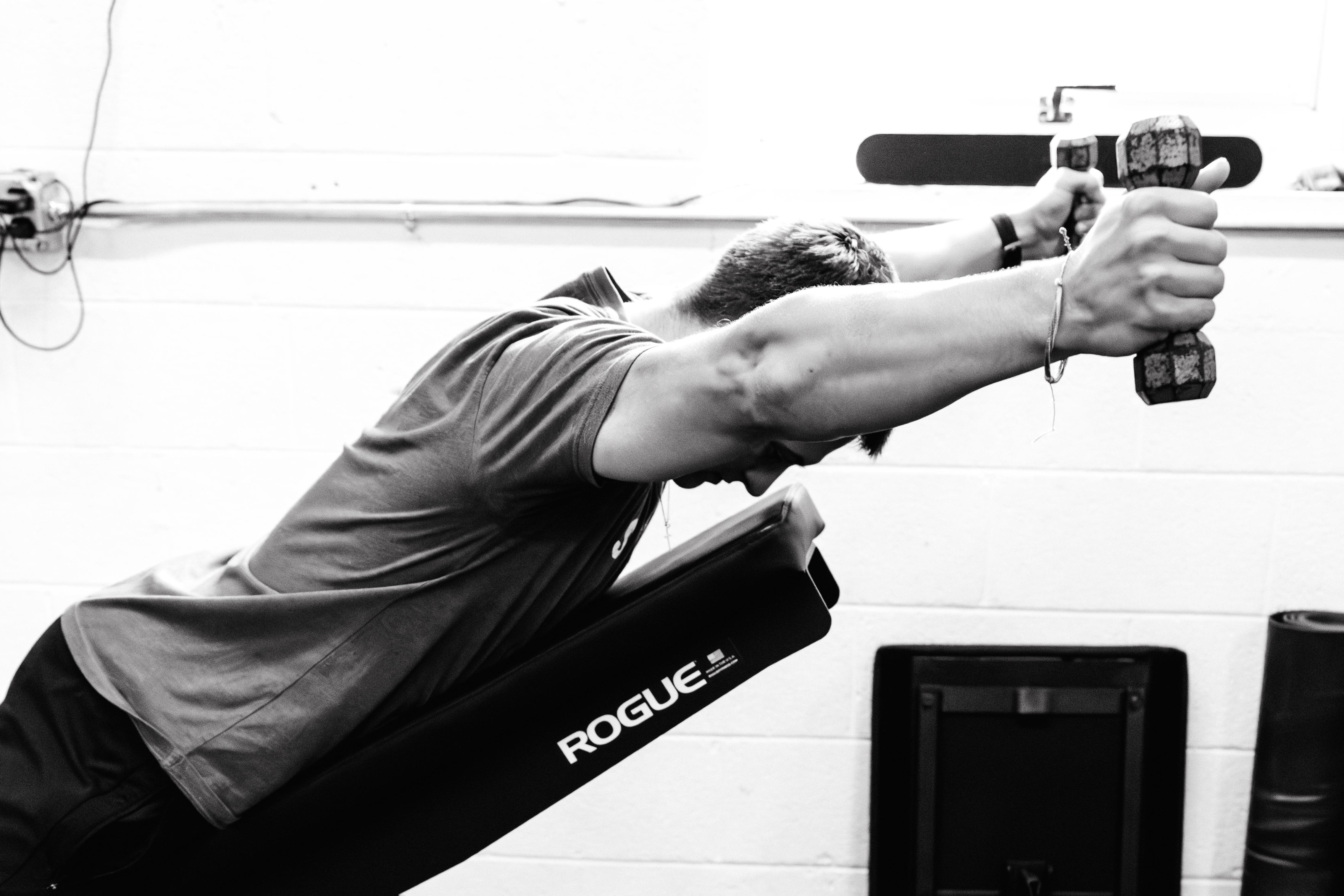
Tendons need progressive loading to regain their strength and capacity. This often includes:
- Isometrics (gentle, sustained holds to reduce pain)
- Slow, Isotonics (controlled movement through full range of motion)
- Increase specificity to task (accelerating/decelerating drills, return to swinging, etc)
The goal is to gradually increase the tendon’s capacity so it can handle the demands of your sport, job, or daily life without flaring up.
3. Progress Back to What You Love
Once strength and tolerance improve, you can gradually add back movements that were previously painful based on how your body responds to it during and after the activity.
This phase is where people often feel the most empowered: the pain fades, strength returns, and confidence grows.
The Bottom Line
Elbow pain can be frustrating, persistent, and limiting, but it’s absolutely fixable. The key isn't choosing between rest or exercise; it’s using both strategically.
By giving the tendon time to calm down with smart activity modifications, then gradually reloading it with targeted exercises, you rebuild its capacity and resilience. That’s how you break the cycle of recurring pain and get back to playing, lifting, and working without elbow pain continually holding you back.
If your elbow pain has been lingering, don’t wait for it to magically disappear. With a structured plan and the right guidance, you can take control and get back to doing what you love stronger than before.