
Knee Injuries in Brazilian Jiu-Jitsu
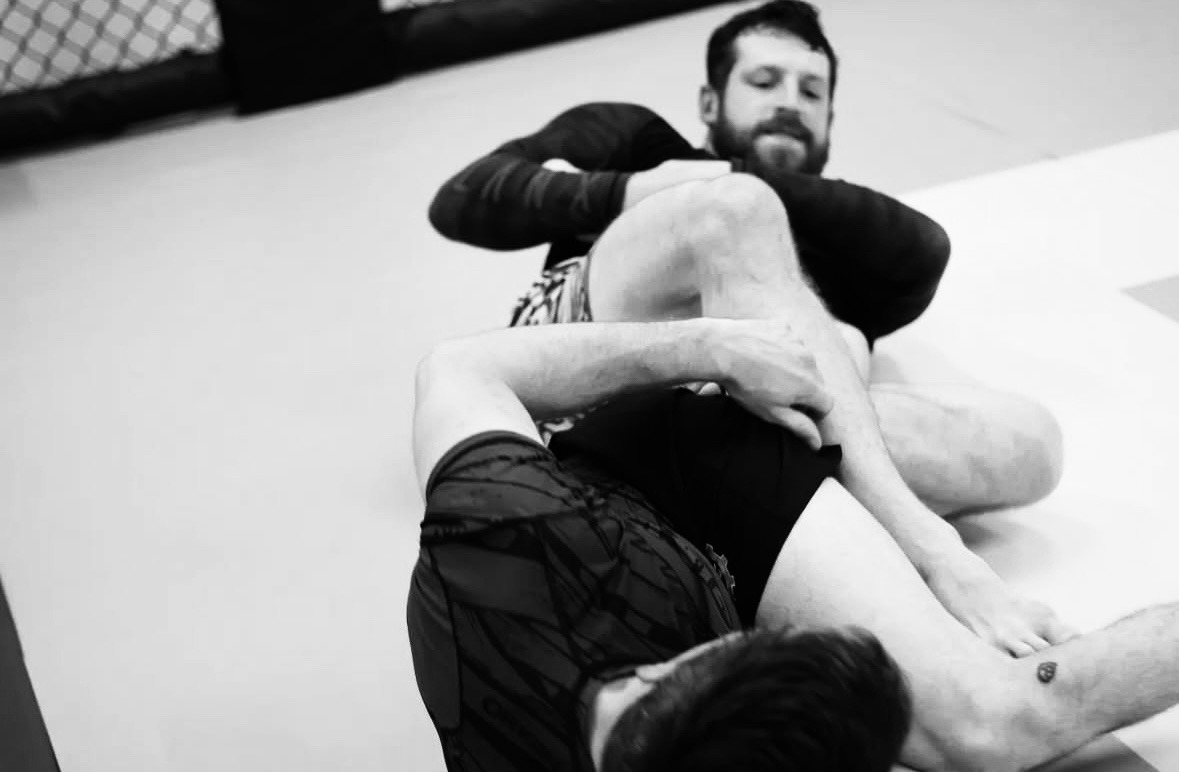
Aside from the hands, fingers, and toes, the knee is the most commonly injured joint among jiu-jitsu practitioners, accounting for 27% of all injuries across body parts.
Studies show that most incidents–nearly 78%–happen during sparring, with submissions accounting for roughly 30% of those injuries and takedowns for roughly 26%. This makes sense when you consider how athletes spend their time: they typically train four days a week, but only compete twice a year. With so much time spent on the mats in training rather than in competition, the risk of injury naturally skews toward everyday practice.
Some risk factors for knee injuries include competing regularly, older age, and being higher in belt rank. In general, being higher in belt rank will actually provide you with an advantage with regards to safety. You’re more knowledgeable, understand more complex positions and risks. However, if you’re a higher belt, you’re usually also older and have probably had a history of injuries and small aches and pains that add up over time.
Jiu-jitsu requires a lot of rotational movement and stability through the legs, challenging the knee joint. Two key factors to reduce injury rate at the knee are improving your strength and stability, and developing situational awareness. Outside of strength training, it’s important to develop a better understanding of higher risk techniques and situations in BJJ, especially ones that put your knee at risk such as certain leg entanglements. If you have a better understanding of what a heel hook feels like, you will also understand when it is appropriate to defend and keep fighting, or when you need to tap. With this technique, if you wait until you feel discomfort, you’re waiting too long.
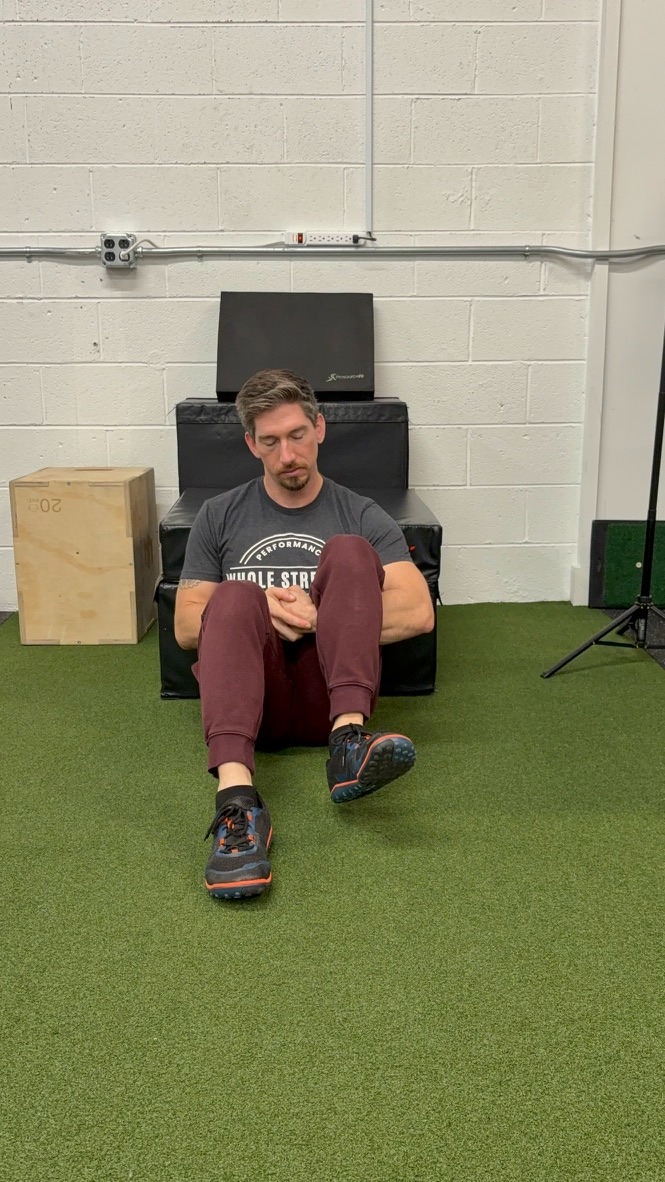
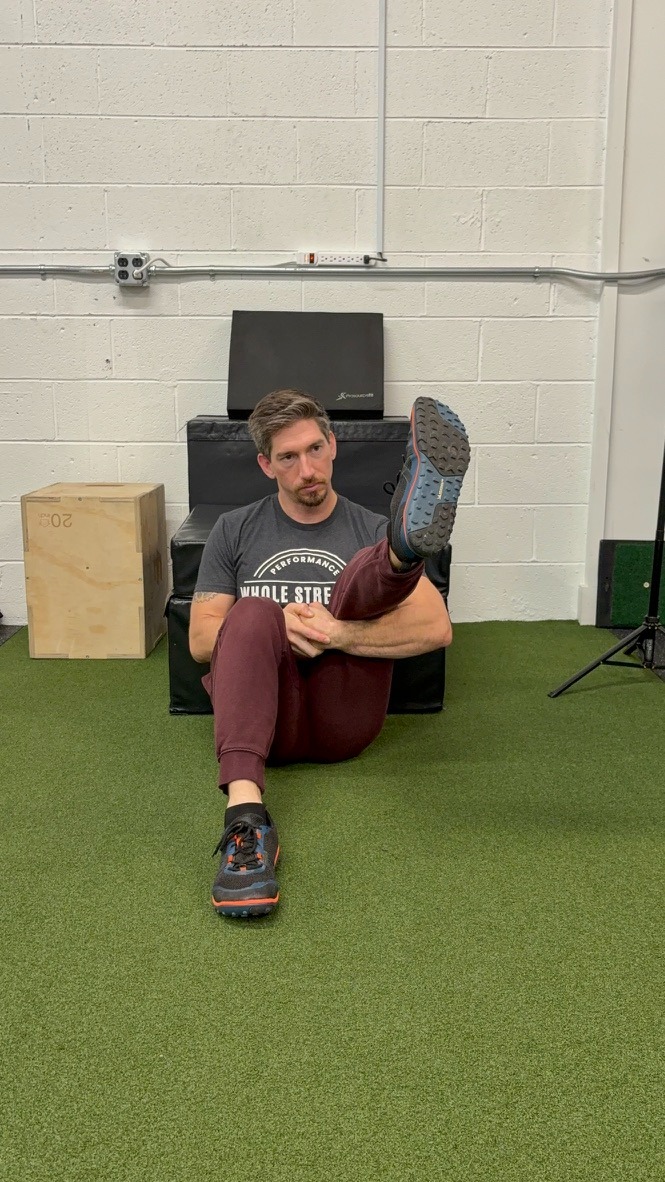
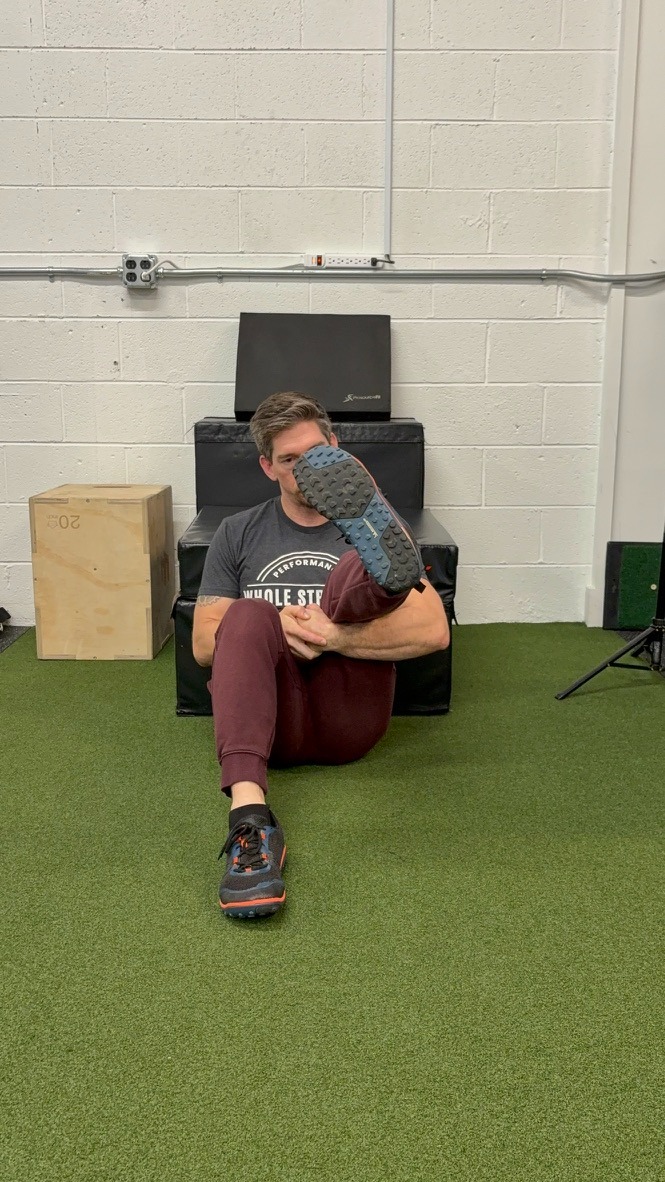
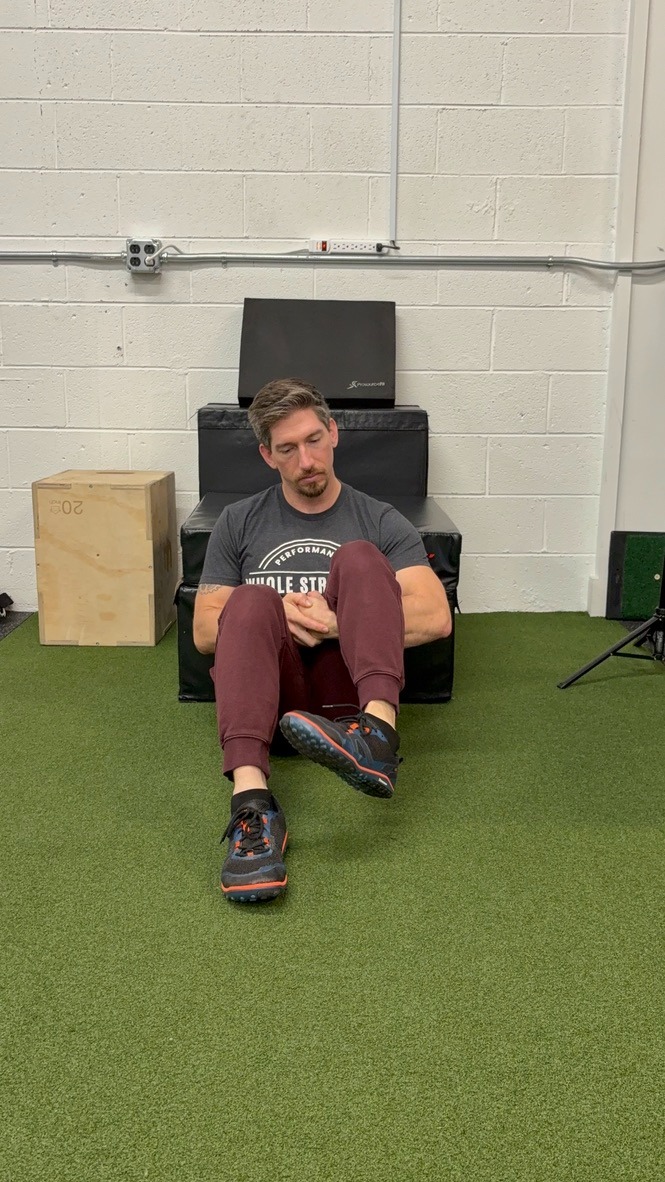
One way to become more familiar with various torques on the knee is to try controlled articular rotations (CARs). By moving the knee through its full range of motion you will improve proprioception (body awareness) and understand your mobility. To perform knee CARs, use your arm to isolate the knee. Extend your knee while turning your foot out, rotate your foot in, then bend your knee while maintaining that internal rotation. See below:
Strengthening your legs will provide you with more stability, reducing risk of injury. Here are three drills to improve strength and stability.
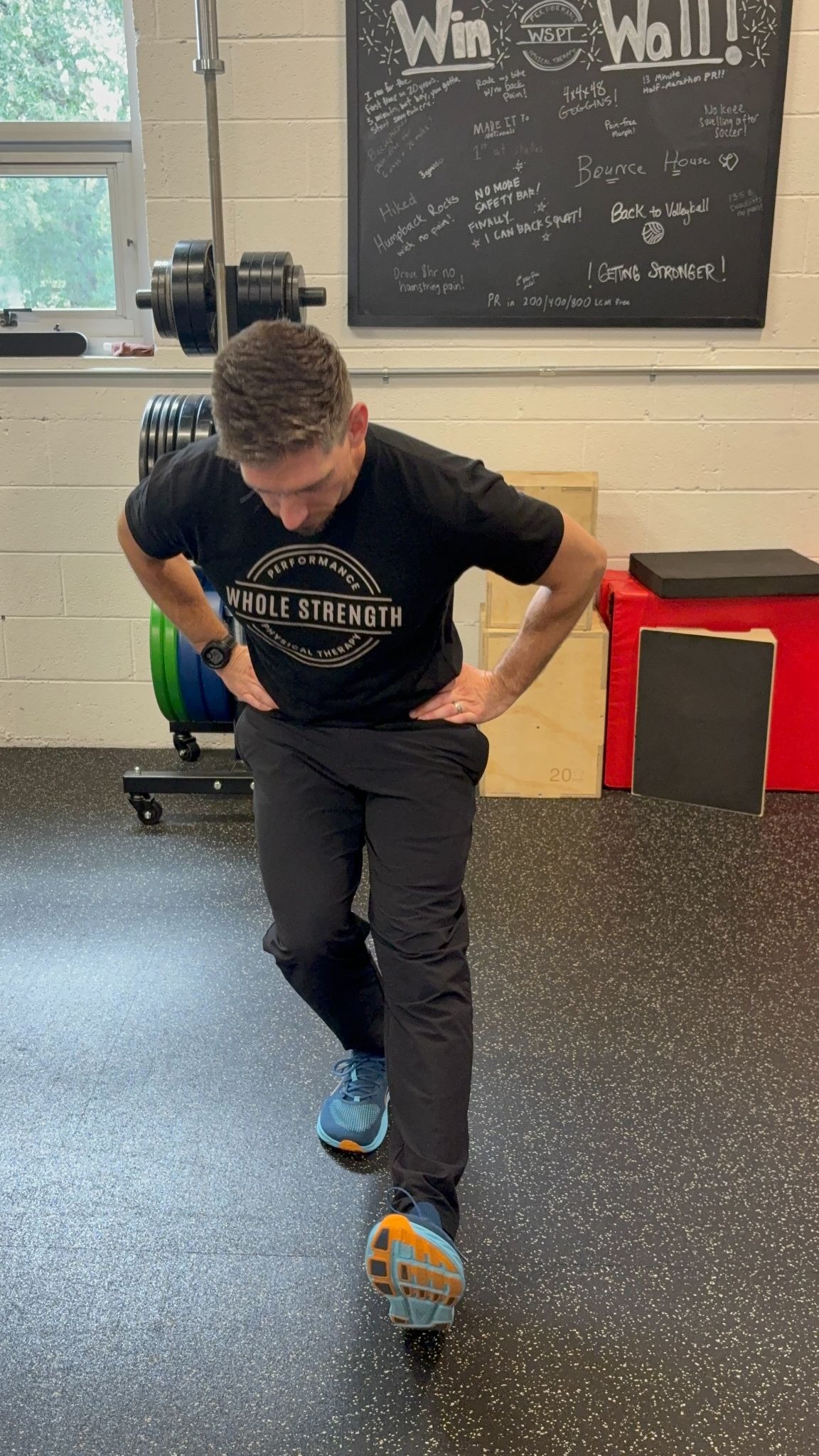
Y-balance drill:
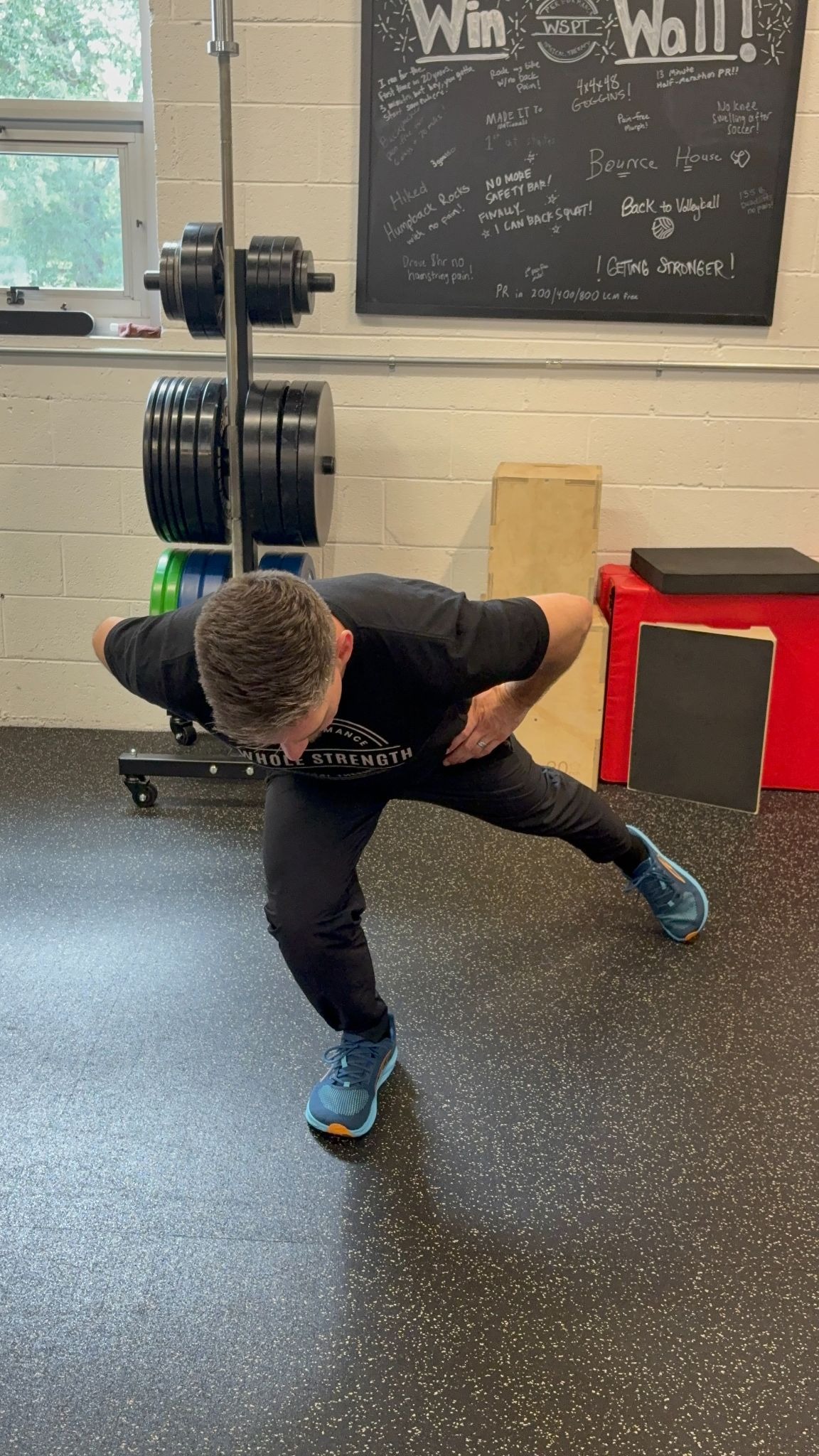
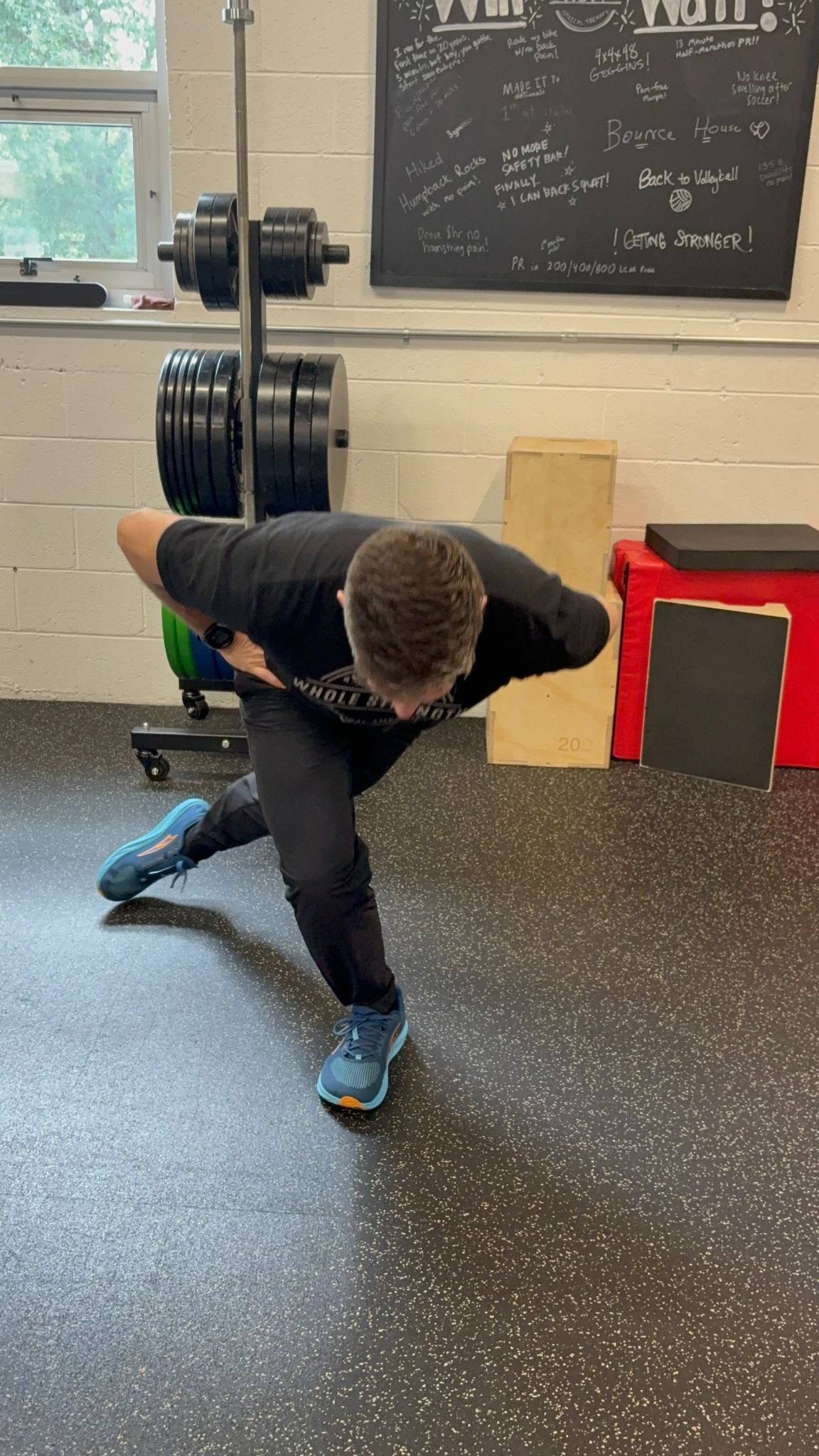
Bulgarian split squats:
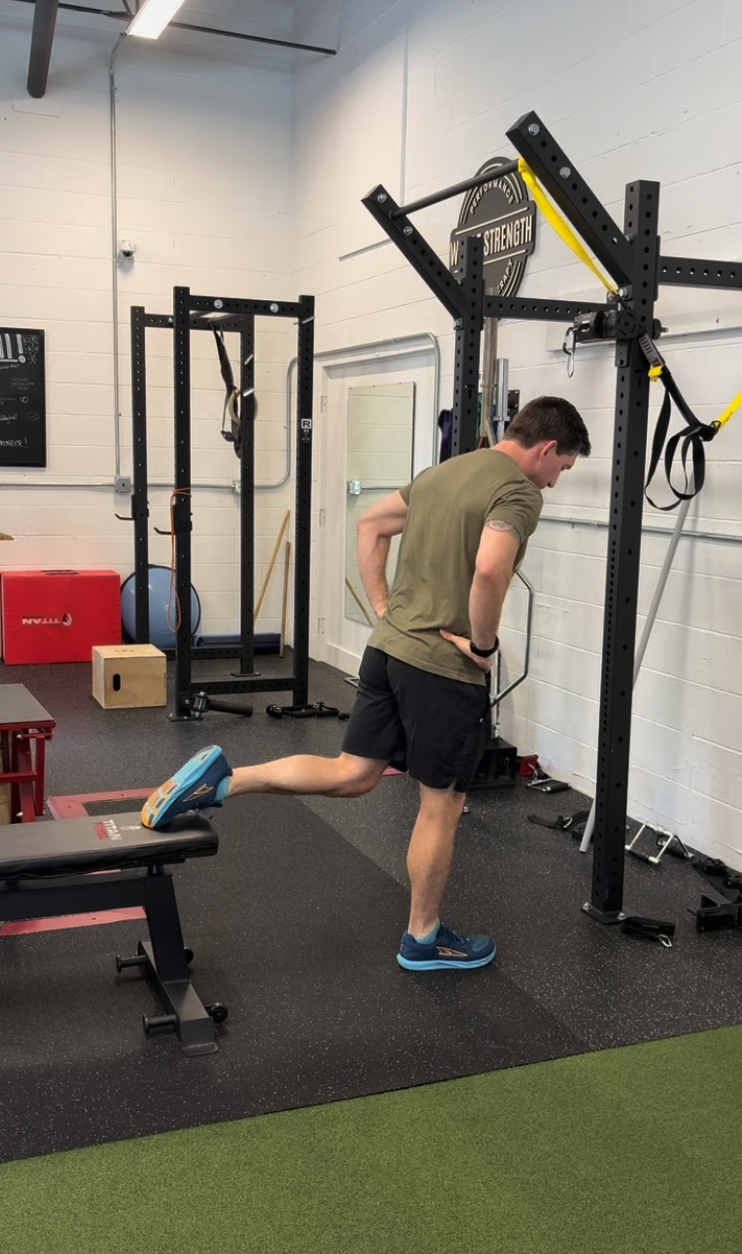
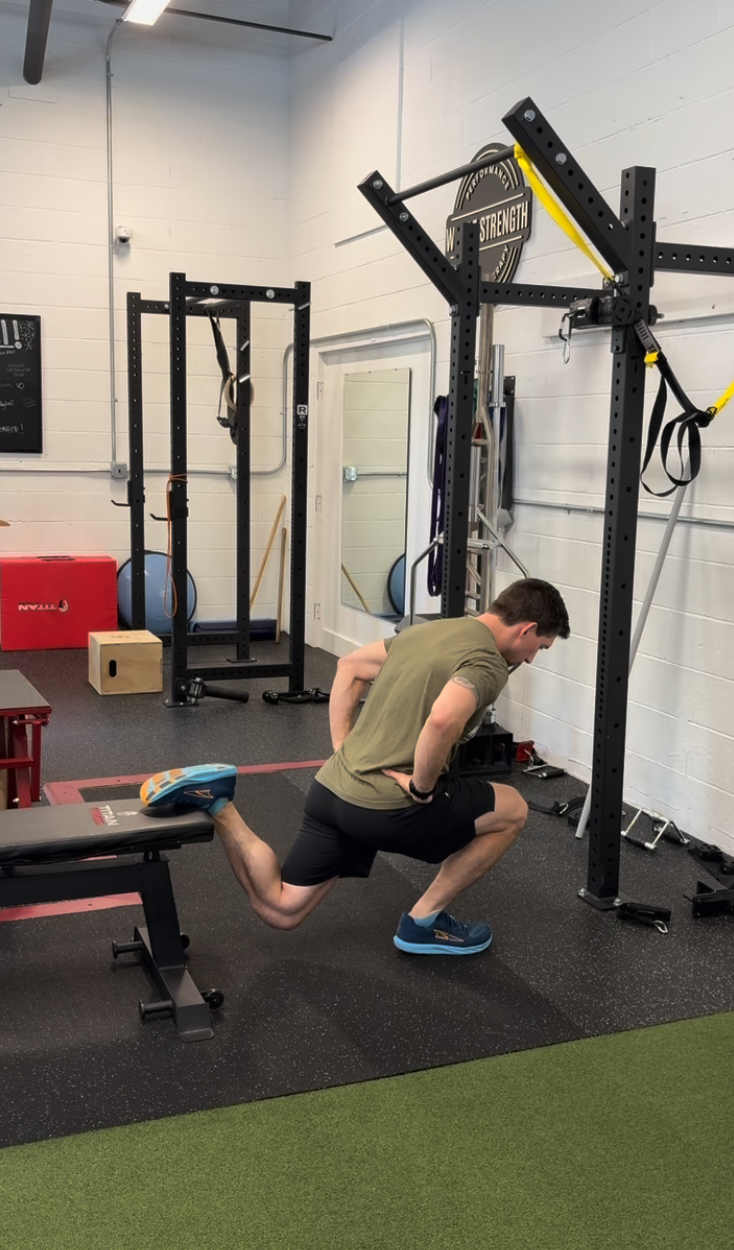
Knee over toe lunge (KOT lunge):
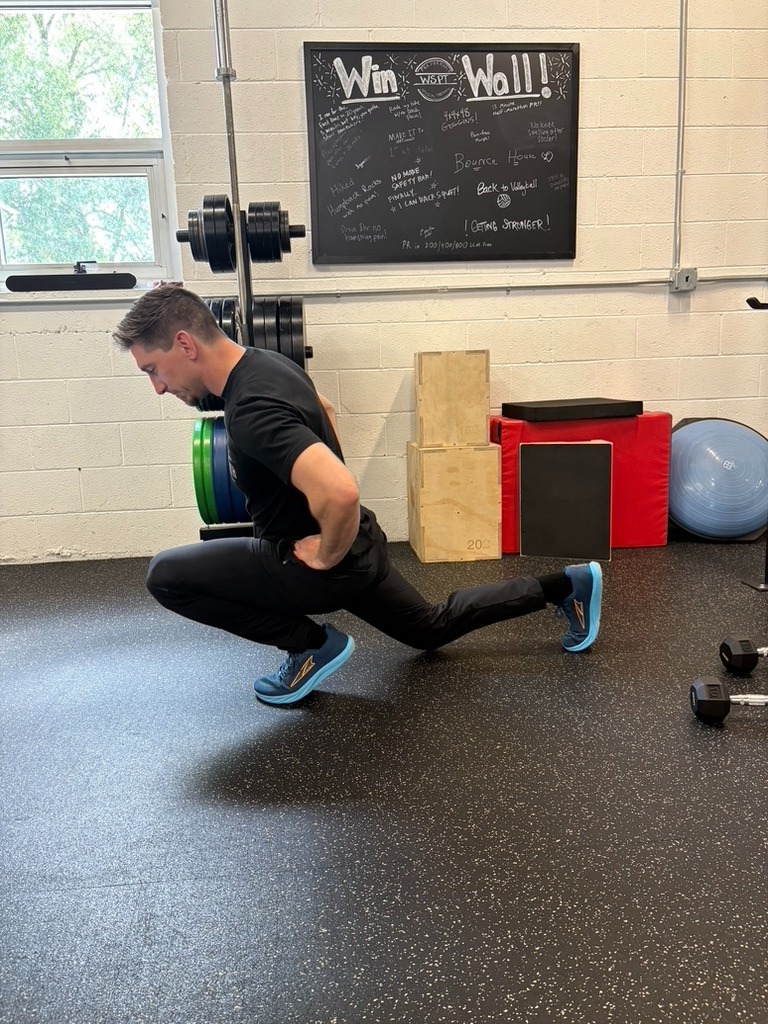
Working on a few of the above exercises can make a big difference in preventing knee injuries. A little bit of extra work goes a long way.
Use the tools above to be more proactive in building a resilient body. Need some help?
Schedule an appointment with us in Charlottesville for expert physical therapy guidance on gaining strength and mobility to help prevent injuries and continue doing what you love.