High-intensity training is popular for a reason—it delivers results. Whether you’re lifting heavy, running intervals, or doing CrossFit-style workouts, pushing the limit can improve strength, endurance, and performance. But without the right balance between training load and recovery, progress can stall—or worse, lead to injury. At Whole Strength PT in Charlottesville, VA, we help athletes optimize this balance so they can train hard and stay healthy.
READ: Why Grapplers Need a Different Approach to Injury Recovery
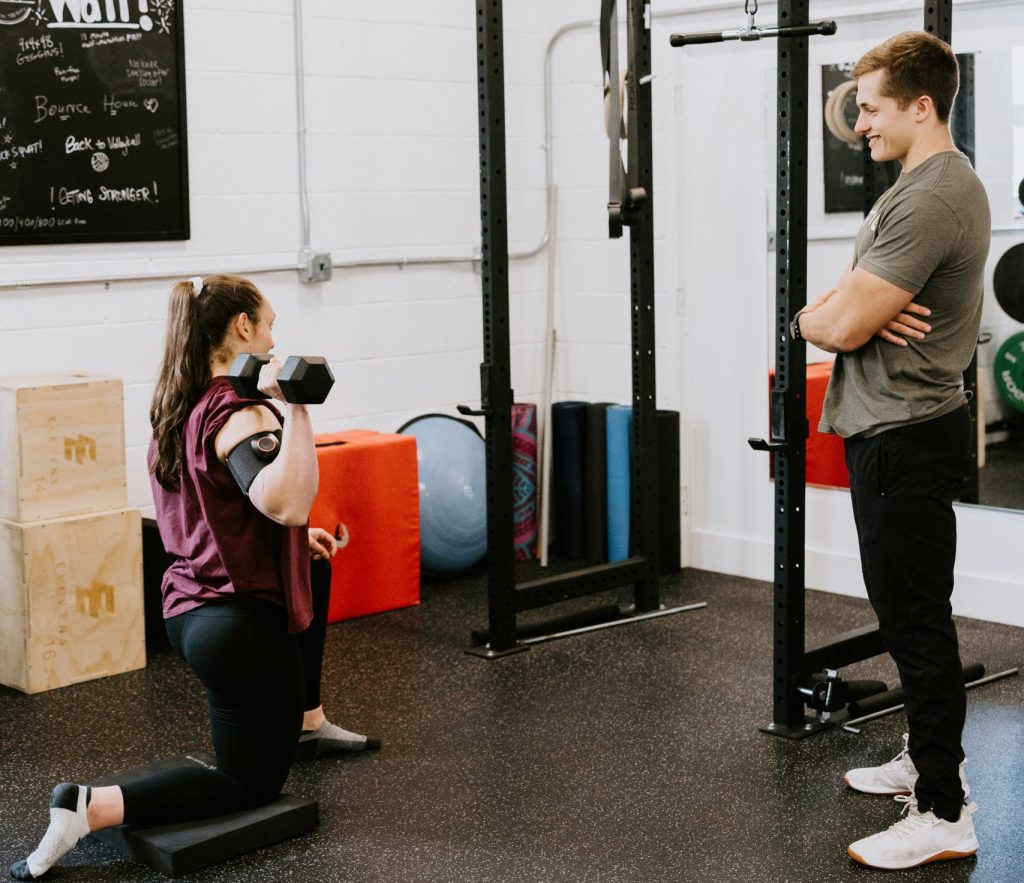
Why Load Management Matters in High-Intensity Programs
Training load is more than just how much weight you lift or how far you run—it’s the total physical and neurological stress your body takes on. When load exceeds recovery capacity, the body can’t rebuild and adapt effectively. This leads to fatigue, performance plateaus, and eventually injury. Common signs that you’re not recovering properly include nagging soreness, declining performance, poor sleep, and mental burnout. A well-structured training program includes strategic progression, rest, and active recovery to allow the body time to rebuild and get stronger.
How Physical Therapy Supports Smarter Training
Physical therapy isn’t just about injury rehab—it plays a vital role in performance maintenance and injury prevention. At Whole Strength PT, we work with high-intensity athletes to monitor their training stress and recovery trends. Through movement assessments and hands-on feedback, we identify subtle signs of overload before they turn into setbacks. Whether it’s joint stiffness, muscle compensation, or movement inefficiencies, physical therapy can help adjust training intensity without halting progress. The goal isn’t to pull back—it’s to train smarter, not just harder.
READ: How to Know If You’re Ready to Return to Sport After Injury
Strategies to Improve Recovery Without Losing Momentum
Recovery doesn’t have to mean lying on the couch for a week. Active recovery days—filled with mobility work, light aerobic exercise, and tissue care—can improve circulation, reduce soreness, and enhance recovery. Other powerful tools include breathwork to down-regulate the nervous system, consistent sleep routines, and soft tissue work to maintain mobility. Strategic deload weeks, where training volume or intensity is reduced, help the body reset without losing strength or conditioning. At Whole Strength PT, we help athletes build these elements into their week to stay consistent and injury-free.
Performance-Focused PT at Whole Strength in Charlottesville, VA
At Whole Strength PT, we specialize in helping high-performing athletes stay resilient through customized, movement-focused physical therapy. Whether you’re dealing with overtraining symptoms or want to prevent them entirely, our Charlottesville team provides one-on-one support designed to fit your sport and schedule. Through a combination of functional evaluations, manual therapy, and personalized programming, we help you recover smarter and train harder—with less risk. Ready to keep your momentum without burning out? Schedule your visit today.