Why Recovery is Key to Athletic Success
In the world of athletics, recovery is just as important as training. Proper recovery allows athletes to heal from intense physical activity, prevent future injuries, and maintain peak performance over time. At Whole Strength Physical Therapy in Charlottesville, we emphasize structured recovery programs that are customized to each athlete’s needs, ensuring they can safely progress in their sport while minimizing the risk of overuse or repetitive injuries as well as properly recovering from inevitable bumps along the way. Through our Performance Plus Program, our athletes gain access to recovery techniques that support both physical healing and long-term resilience. Physical therapy offers more than just treatment for injuries; it also provides preventative recovery strategies that allow athletes to sustain their training goals without experiencing burnout or chronic pain. Whole Strength’s recovery programs include hands-on therapies, mobility exercises, and movement education that accelerate healing and support better performance in the long run.This blog explores the essential role of recovery in athletic success and how Whole Strength Physical Therapy helps athletes in Charlottesville enhance their resilience through structured, personalized recovery practices.

Physical Therapy Techniques for Effective Recovery
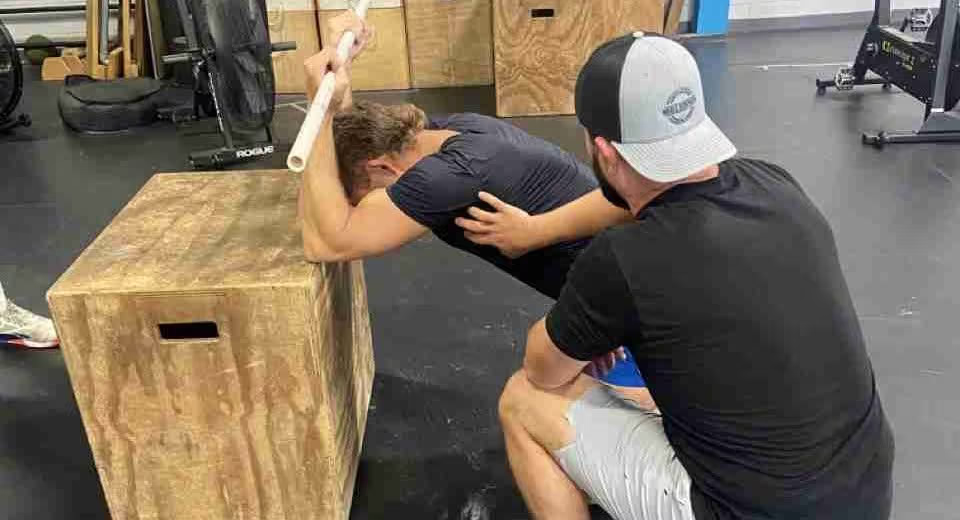
Recovery-focused physical therapy employs a range of techniques designed to facilitate healing, reduce soreness, and prepare the body for future activity. At Whole Strength, athletes benefit from hands-on therapies such as joint mobilizations, soft tissue mobilization, myofascial release, or trigger point dry needling which alleviate muscle tension, reduce inflammation, and promote blood flow to aid in faster recovery. These techniques are particularly helpful for athletes who experience muscle tightness, stiffness, or soreness after intense workouts and promote healing from those that have experienced injuries from competitions or training.Dynamic stretching and mobility exercises are also a critical part of physical therapy recovery programs. These movements encourage circulation, improve joint mobility, improve flexibility, and reduce the risk of injury by ensuring that muscles and joints are ready for the next workout. Physical therapists work with athletes to develop personalized mobility routines that target specific areas, such as the hips, shoulders, or ankles, supporting the unique recovery needs of each sport.By integrating these recovery techniques into their routine, Charlottesville athletes experience better performance and reduced pain, ensuring they are well-prepared to return to training stronger and more resilient.
From our blog:
How Physical Therapy Can Help You To Resolve Your Rotator Cuff/Shoulder Pain
ACL Rehab at Whole Strength Phaysical Therapy
Blood Flow Restriction: Reduce Pain and Improve Your Outcomes
How Performance Testing Can Help Fill the Holes in Your Fitness
How Physical Therapy Can Help Fix Your Knee Pain When Squatting/Running/Lifting
Is A Lack of Shoulder Mobility Holding Back Your Performance in Crossfit?
Preventing Future Injuries Through Structured Recovery
Recovery is about more than simply resting after a workout; it is an opportunity to prevent future injuries and support the body’s long-term health. At Whole Strength, physical therapists guide athletes through structured recovery programs that address potential imbalances or weaknesses that could lead to injury if left unaddressed. This proactive approach to recovery allows athletes to make meaningful progress without risking their physical well-being.For example, athletes prone to lower back pain may be guided through trunk strengthening exercises to provide better support through stability and reduce strain on the spine. Runners experiencing knee discomfort might benefit quad strengthening but also hip strengthening exercises to support joint alignment and reduce impact. By addressing these underlying issues, physical therapy recovery programs help prevent re-injury and ensure athletes can train consistently over time.This focus on injury prevention within recovery means that athletes aren’t just healing from today’s workout—they’re building resilience that will protect them in future training sessions and competitions. Whole Strength’s approach provides Charlottesville athletes with the resources they need to recover effectively and safeguard their long-term physical health.
Building Resilience for Long-Term Athletic Success
Effective recovery supports resilience, enabling athletes to handle the demands of their sport without breaking down over time. Physical therapy at Whole Strength emphasizes building resilience through education, movement correction, and targeted exercises that athletes can integrate into their routines. By understanding how to recover correctly, athletes are empowered to listen to their bodies, address issues early, and avoid the setbacks that often come with overtraining.Athletes who prioritize structured recovery find they can sustain high-performance levels longer and experience fewer disruptions in their training. Whole Strength Physical Therapy equips Charlottesville athletes with the tools and knowledge to make recovery an integral part of their athletic journey, ensuring they can train harder, reach their goals, and maintain their physical health over the years.
For Charlottesville athletes dedicated to their sport, investing in recovery through physical therapy is a smart strategy for achieving success while safeguarding their bodies. Whole Strength Physical Therapy’s comprehensive approach to recovery gives athletes the support and resilience they need to excel, recover fully, and enjoy their athletic pursuits for the long term.
Frequently Asked Questions
Why is recovery important for athletes?Recovery allows muscles and joints to heal, reduces injury risks, and ensures athletes can maintain high performance over time, supporting both short-term and long-term health.What techniques does physical therapy use to support recovery?Physical therapy for recovery often includes soft tissue mobilization, dynamic stretching, and personalized mobility exercises that reduce muscle tension, promote circulation, and prevent injury.How does physical therapy help prevent injuries during recovery?Physical therapy addresses imbalances, strengthens weak areas, and improves movement mechanics, reducing the risk of re-injury and promoting safe progression in training.How can recovery improve athletic performance?Proper recovery enables athletes to train more effectively by reducing soreness, improving flexibility, and enhancing overall resilience, allowing for consistent, high-quality performance.How often should athletes focus on recovery through physical therapy?It varies by sport and training intensity, but regular recovery-focused sessions are beneficial, especially during intense training phases, to maintain resilience and prevent injuries.