
Physical therapy has undergone a major transformation. What was once centered primarily around massage, stretching, and basic exercise has become a data-driven, performance-enhancing discipline that blends hands-on care with advanced technology. Today's leading clinics aren't just reacting to pain, they're using powerful tools to assess movement, measure strength, and monitor recovery over time.
READ: Know How Your Ready to Return to Sport After Injury
This shift is especially valuable for active individuals, athletes, and those recovering from complex injuries. At Whole Strength PT in Charlottesville, physical therapy is no longer just about getting back to baseline. It's about achieving optimal performance through personalized treatment plans supported by science and technology.
The Importance of Objective Assessment in Modern Rehab
One of the biggest advantages of modern physical therapy is the ability to measure what matters. Objective assessment tools allow therapists to go beyond what they can see or feel during manual evaluations. With technology like force plates and dynamometers, physical therapists can identify subtle imbalances, muscle weaknesses, or asymmetries that could be missed during a traditional exam.
These measurements not only improve the accuracy of diagnoses, they also help track progress in a way that's tangible for the patient. At Whole Strength PT, this kind of assessment is foundational. It allows therapists to make more informed decisions, deliver better outcomes, and ensure that clients are always moving forward with purpose.
What Is Dry Needling?
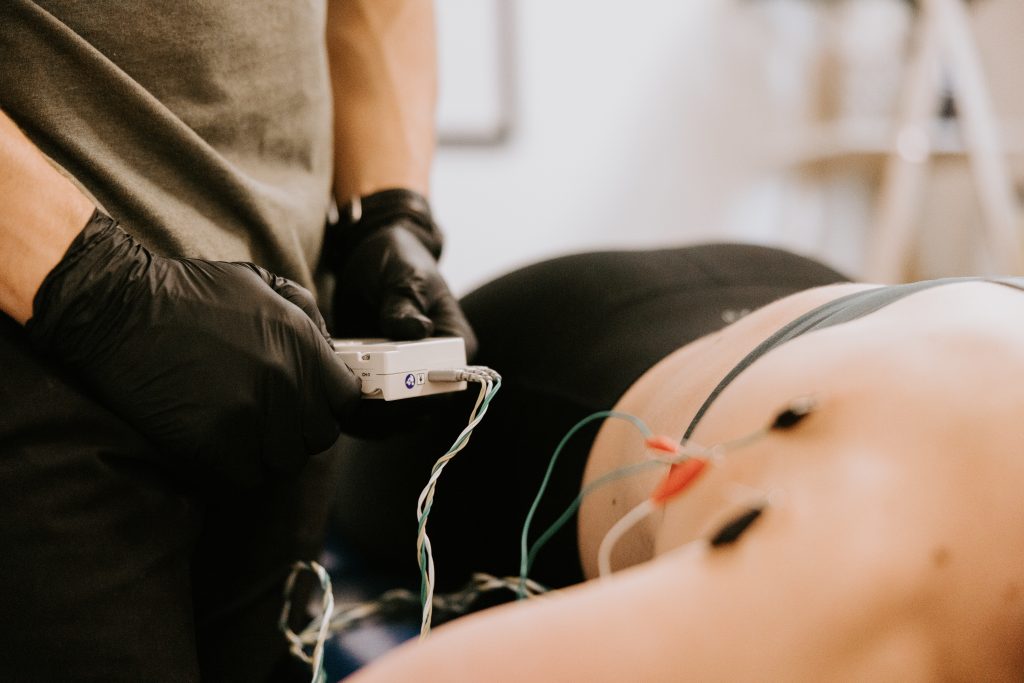
Dry needling is a specialized technique used by licensed physical therapists to target trigger points: tight bands of muscle that can contribute to pain, restricted movement, or chronic tension. It involves inserting thin, sterile needles into these areas to stimulate a release response, improve circulation, and reduce discomfort.
While it may look similar to acupuncture, dry needling is based on modern anatomical and neurological science. It's particularly effective for treating musculoskeletal issues such as tension headaches, shoulder dysfunction, lower back pain, or muscle imbalances caused by overuse. At Whole Strength PT, dry needling is incorporated strategically into a broader care plan that also includes movement retraining and strength development. The result is a faster, more complete recovery for clients who want to move better and feel stronger.
How Force Plates Detect Imbalances and Guide Progress
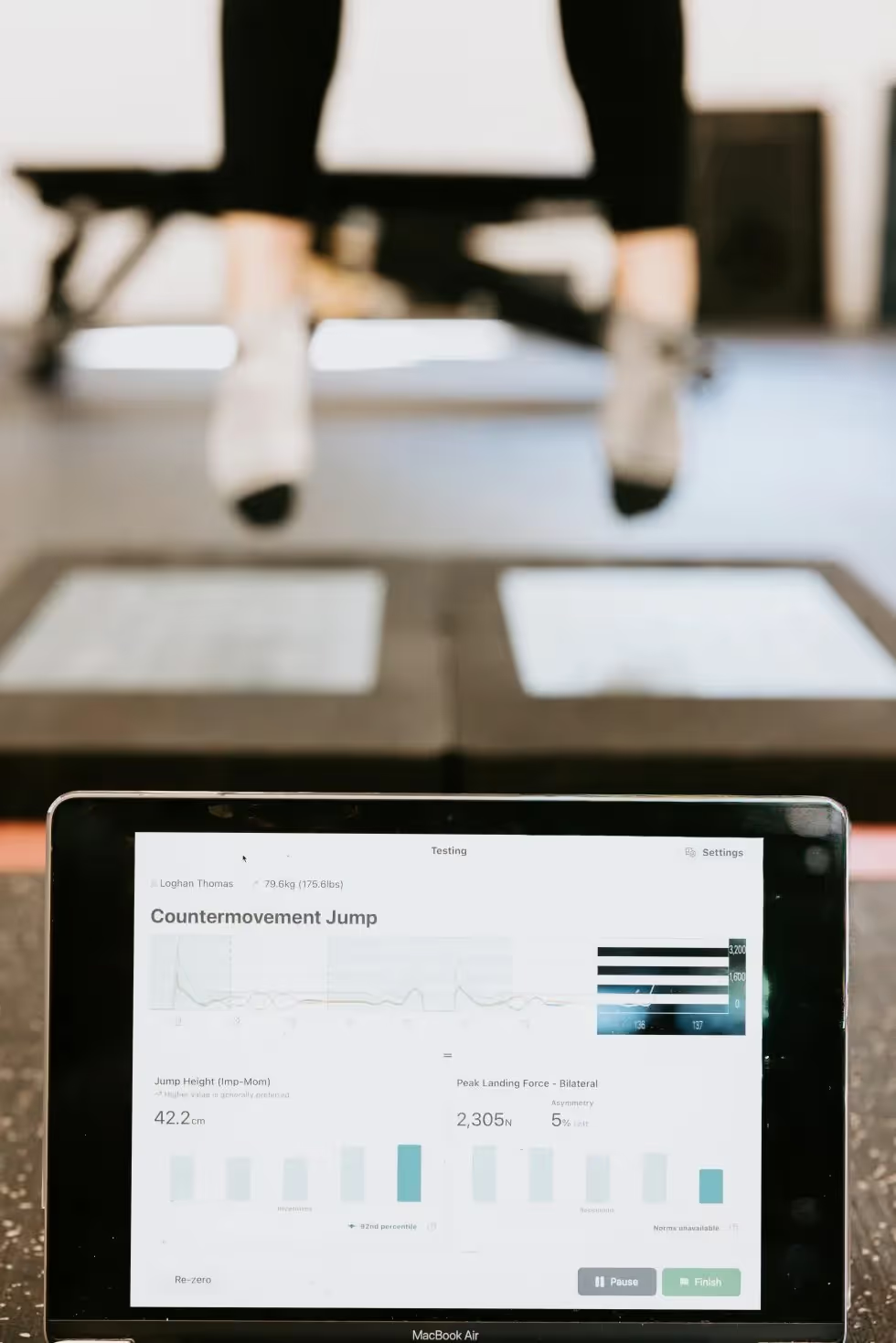
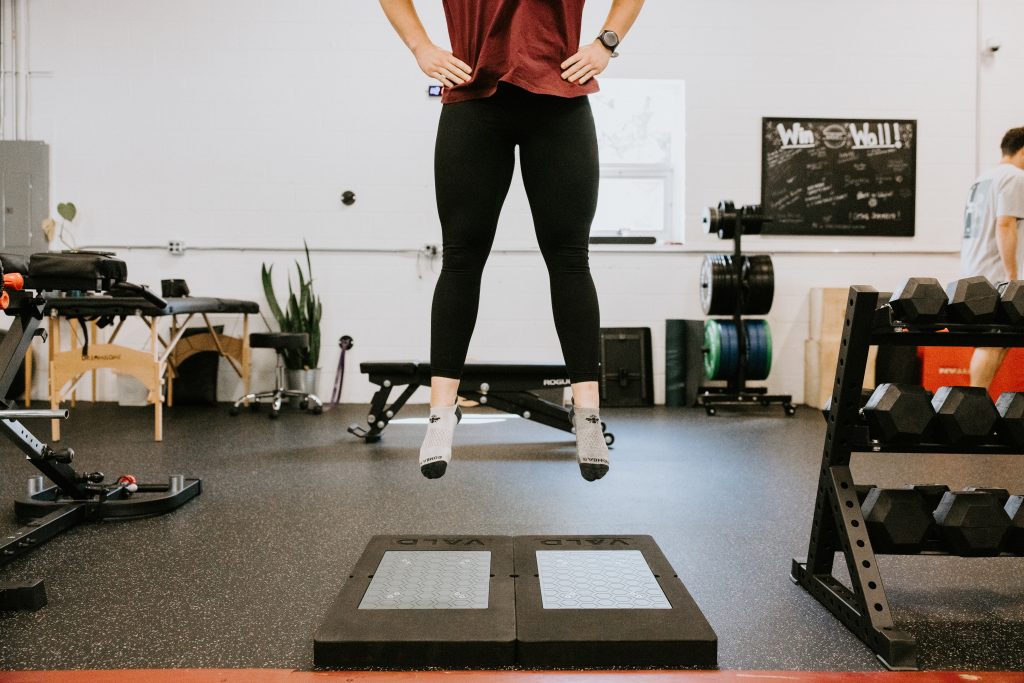
Force plates are pressure-sensitive platforms that measure how force is distributed through the feet during various movements. These high-tech tools capture data on balance, weight shift, power output, and asymmetries between limbs. Whether a client is recovering from an ACL tear, returning to running, or simply wants to improve their athletic performance, force plate assessments can provide insights that visual observation alone cannot. For runners, this pairs well with a running gait analysis.
At Whole Strength PT, force plates are used to evaluate movement patterns like squatting, jumping, and landing, giving therapists the information they need to identify risk factors, guide exercise selection, and monitor progress over time. These insights help create rehab programs that are not just effective, but also customized down to the smallest detail.
Dynamometers: Taking the Guesswork Out of Strength Testing
Dynamometers are another essential piece of technology in modern physical therapy. These handheld devices measure the force a muscle produces during isometric contraction. Unlike manual muscle testing, which can be subjective, dynamometers provide objective strength measurements that are repeatable and accurate.
This is especially important for tracking recovery after surgery or injury, as well as determining readiness for return to sport or daily activity. At Whole Strength PT, dynamometers are used to test major muscle groups and monitor progress over the course of treatment. This helps therapists adjust programs based on real data, ensuring that strength deficits are addressed and clients are progressing safely and effectively.
Integrating Technology Into the Treatment Plan
While tools like dry needling, force plates, and dynamometers are impressive on their own, their real value comes from how they're integrated into a personalized treatment plan.
At Whole Strength PT, these technologies are never used in isolation. They're part of a holistic strategy that includes hands-on manual therapy, targeted corrective exercise, and patient education. The data gathered from assessments is used to create a roadmap for recovery or performance improvement.
Whether a client needs to rebuild strength, correct movement patterns, or reduce pain, these tools provide the insight needed to guide every step of the plan. This integration ensures that treatment is not only precise but also adaptable as the client progresses.
READ: The Top 5 Mobility Drills for Active Adults
Performance Tracking: Turning Data Into Motivation
One of the most overlooked benefits of using technology in physical therapy is the motivation it gives clients. When progress is tracked through numbers, such as improved force output, better balance metrics, or increased muscle strength, it's easier for clients to stay engaged and committed.
At Whole Strength PT, performance data is shared with clients regularly, turning subjective feelings into objective wins. This transparency builds trust and reinforces the effectiveness of the care plan. It also allows clients to celebrate small victories along the way, whether they're recovering from injury or pushing toward a performance goal.
Technology for Injury Prevention, Not Just Rehab
Advanced tools in physical therapy aren't just useful for recovery. They also play a major role in preventing injury. By using force plates and dynamometers to screen for asymmetries or weaknesses, therapists can identify potential problem areas before they lead to pain or injury. For athletes and active individuals, this type of prehab approach can make a significant difference in performance longevity.
Dry needling can also be used proactively to help with recovery, maintain mobility and reduce muscular tension before it becomes a limiting factor. At Whole Strength PT, prevention is just as important as treatment, and the clinic's technology-supported model reflects that philosophy.
How Whole Strength PT Uses These Tools to Elevate Care
Whole Strength PT in Charlottesville is committed to delivering next-level care that combines the expertise of physical therapists with the precision of modern tools. Every evaluation begins with a thorough assessment that may include force plate analysis, strength testing, and movement screening. As treatment progresses, dry needling may be introduced to release tension and support better movement, while strength and balance are continuously monitored through data-driven metrics.
The team at Whole Strength PT believes that patients deserve to know exactly where they are, where they're going, and how they're improving. This commitment to transparency and excellence is what sets the clinic apart and why clients across Charlottesville choose Whole Strength PT for their rehab and performance needs.
Choosing a Physical Therapist Who Uses the Right Tools
Not all physical therapy clinics are created equal. When choosing a provider, it's important to look beyond the basics and consider whether the clinic uses evidence-based tools to support care. Technology like force plates, dry needling, and dynamometers can significantly enhance the quality of treatment and the speed of recovery. But just as important is how these tools are used—whether they're integrated into a thoughtful plan and personalized for each client's goals.
At Whole Strength PT, every tool has a purpose, and every session is designed to move clients closer to their full potential. Whether you're recovering from injury, managing chronic pain, or striving to reach a new performance level, having the right tools and the right team makes all the difference.